Why Timing Defines the Canadian Golf Experience
Canada is not a year-round golf destination. And that is precisely its strength.
From late May through early October — with peak conditions typically from June through September — Canada’s championship courses operate within a condensed window shaped by long daylight hours, cool nights, and dramatic seasonal shifts. The result is a golf experience defined by precision timing, vibrant turf conditions, and landscapes at their most alive.
For experienced travelers, this compressed season creates clarity. When the window opens, Canada delivers some of the purest championship golf conditions in the world.
Turf Quality Built by Winter
Canadian courses benefit from a natural reset each winter. Months of dormancy under snow allow turf systems to regenerate. When summer arrives, fairways are dense, greens are resilient, and conditioning is remarkably consistent.
At
Cabot Cliffs in Nova Scotia — designed by Bill Coore and Ben Crenshaw, the architectural duo behind Sand Hills and Bandon Trails — the fescue corridors and dramatic cliffside greens thrive in the cooler maritime climate. Wind off the Atlantic shapes shot selection daily, reinforcing its standing as one of the world’s bucket-list links experiences.
Nearby,
Cabot Links, designed by Rod Whitman (also responsible for Sagebrush in British Columbia), offers a more traditional links aesthetic with rumpled fairways and subtle green complexes that reward creativity.
In the Canadian Rockies,
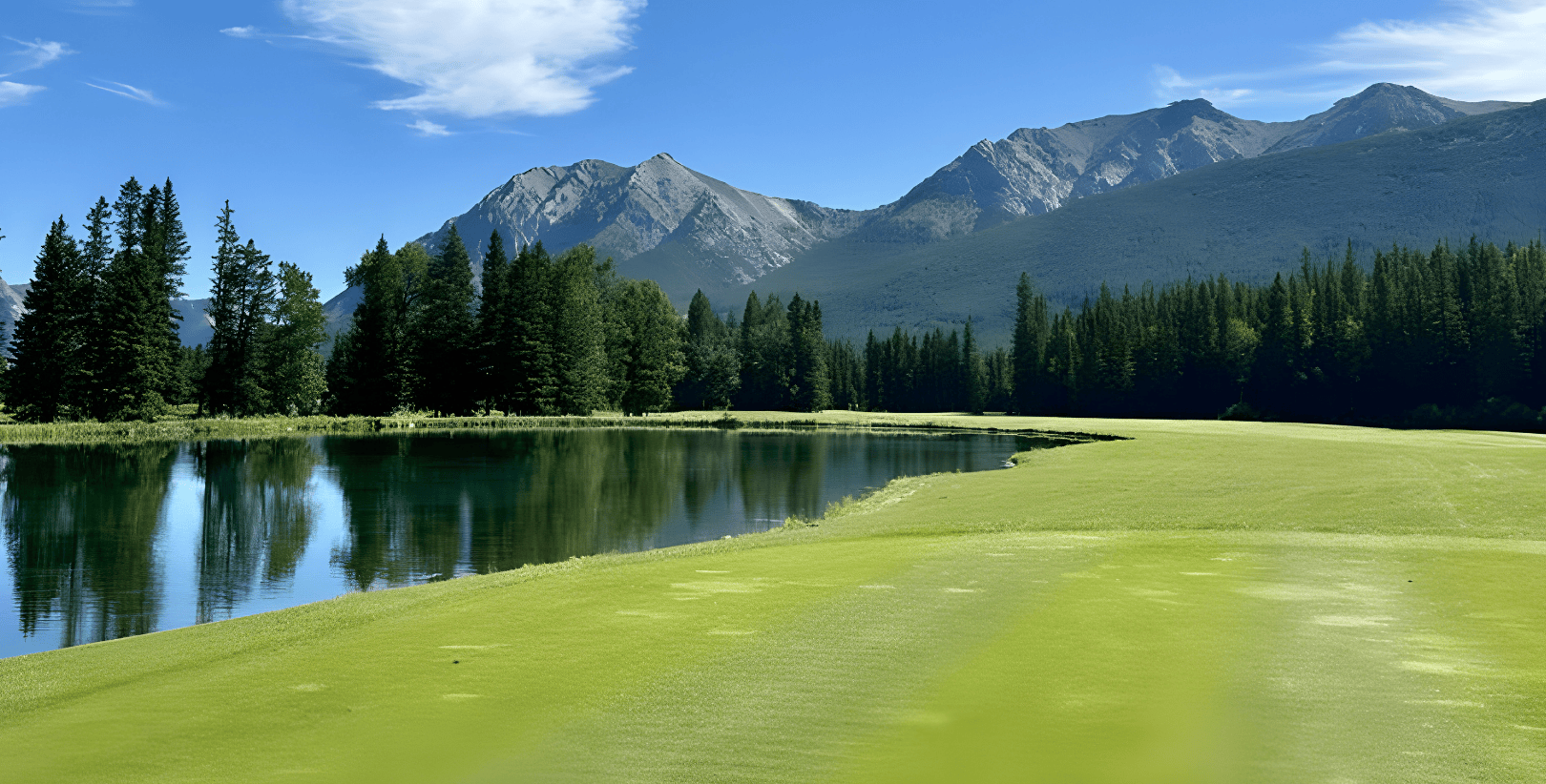
Fairmont Banff Springs Golf Course, originally designed by Stanley Thompson — one of Canada’s most celebrated Golden Age architects — winds beneath towering peaks along the Bow River. Thompson’s routing philosophy emphasized natural movement through terrain, and Banff remains one of his most iconic works.
These courses do not rely on artificial perfection. Their conditioning reflects climate discipline and thoughtful agronomy.
The Advantage of Long Summer Light
Canada’s northern latitude creates extended daylight during peak season. In June and July, twilight rounds stretch well into the evening. Tee sheets feel expansive rather than compressed.
For itineraries, this means flexibility. Morning rounds leave time for afternoon exploration. Evening play can follow relaxed lunches without sacrificing pace.
In Atlantic Canada, you might finish 18 holes with the sun still hanging above the ocean horizon. In the Rockies, golden light settles across mountain ridges long after dinner reservations begin.
The season may be short — but each day within it feels generous.
Seasonality Creates Demand — and Discipline
Because Canada’s prime golf months are concentrated, demand is equally focused. July and August, particularly for destinations such as Cape Breton and Banff, require advance planning.
Practical planning insight: Serious golfers targeting Cabot properties or peak Rockies dates should begin securing accommodations 12–14 months in advance. Boutique lodges and luxury resorts have limited inventory, and flight access to smaller regional airports fills quickly.
The upside of this demand is atmosphere. When you arrive during the season, you are surrounded by travelers who have planned intentionally. The environment feels curated rather than casual.
Beyond the Fairways: Landscape and Culinary Identity
Canada’s championship golf corridors are inseparable from their natural surroundings.
In the Rockies, glacier-fed rivers, alpine hiking trails, and wildlife corridors create an immersive setting. In Nova Scotia, fishing villages, rugged coastlines, and maritime hospitality anchor the experience.
Culinary culture adds depth. Atlantic seafood — lobster, scallops, oysters — pairs naturally with coastal golf. In Western Canada, regional wines from British Columbia’s Okanagan Valley are increasingly featured on curated menus. Farm-to-table dining in mountain towns emphasizes seasonality as much as the courses themselves.
This integration of landscape, food, and sport is part of what makes the compressed season feel special. Everything is aligned around summer abundance.
Women’s Golf & Community Experience
Canada’s reputation for safety, hospitality, and infrastructure makes it particularly appealing for women’s golf journeys. Resort environments are well-managed, caddie programs are professional, and communities feel welcoming.
The social rhythm of Canadian golf — unhurried, scenic, communal — supports connection without pressure. It is competitive golf delivered within an environment of comfort.
Why the Short Season Works in Canada’s Favor
In many destinations, golf becomes routine. In Canada, it feels earned.
The limited window heightens anticipation. Courses open in pristine condition. Landscapes are at full expression. Hospitality teams operate at peak readiness.
The season’s brevity creates urgency — but it also creates excellence.
For golfers who appreciate thoughtful planning, natural drama, and architectural pedigree, Canada offers something rare: a concentrated period each year when championship golf, climate, and culture align seamlessly.
Canada’s golf season may be short. But when you time it correctly, it is exceptional.
Plan your Canadian championship journey with Elite Golf Experiences and secure your place within the season.